




The ‘Land of the Rising Sun‘ was all that we expected it to be.
Modern yet traditional, bustling yet peaceful.
Stepping into Japan felt like entering a safe and futuristic world where High-Tech innovation fused nicely with ancient traditions.
On the shinkansen (Japan’s high-speed bullet train) a touch of Japanese hospitality saw us warmly greeted with a bow by the conductor as he entered and left the carriage. A traditional sign of mutual respect rarely displayed elsewhere.
The country is undoubtedly one of the top visited destinations in the world because it offers so much more than the average getaway.
According to the Japan Times news website, foreign visitors to Japan hit a record 42.7 million last year, steadily targeting the country’s goal of 60 million by 2030.
And with this continuous boom in foreign travel expected to rise, here are nine take-away things I recommend you do NOT do when you visit Japan.
1. Drop Litter
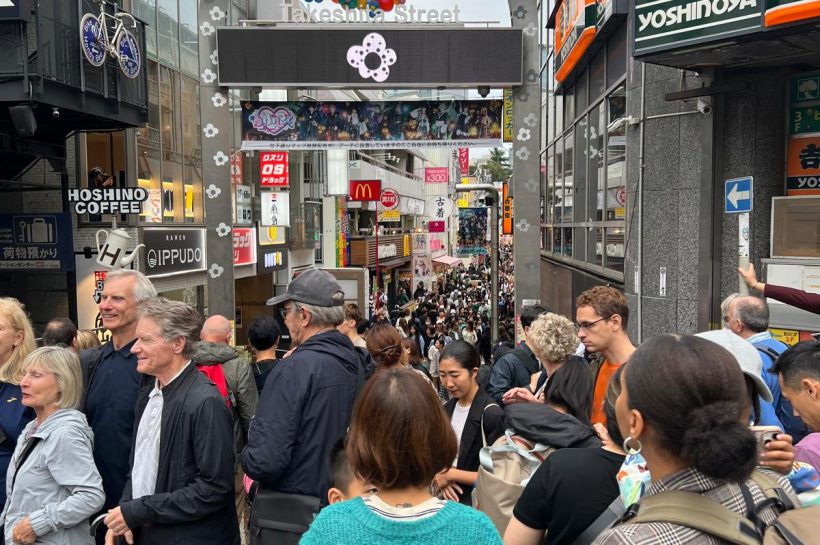
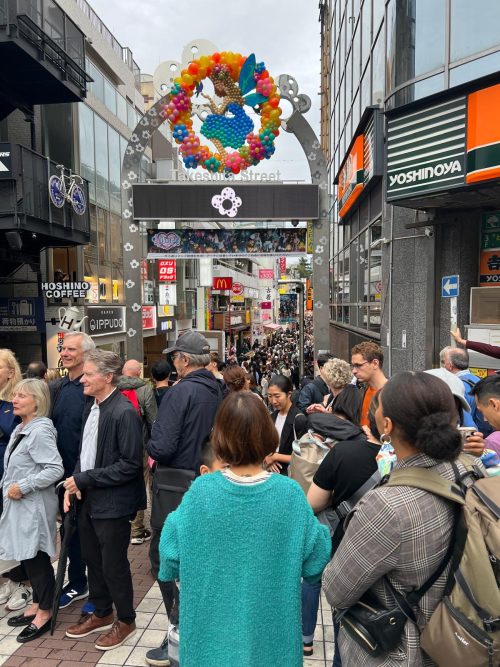
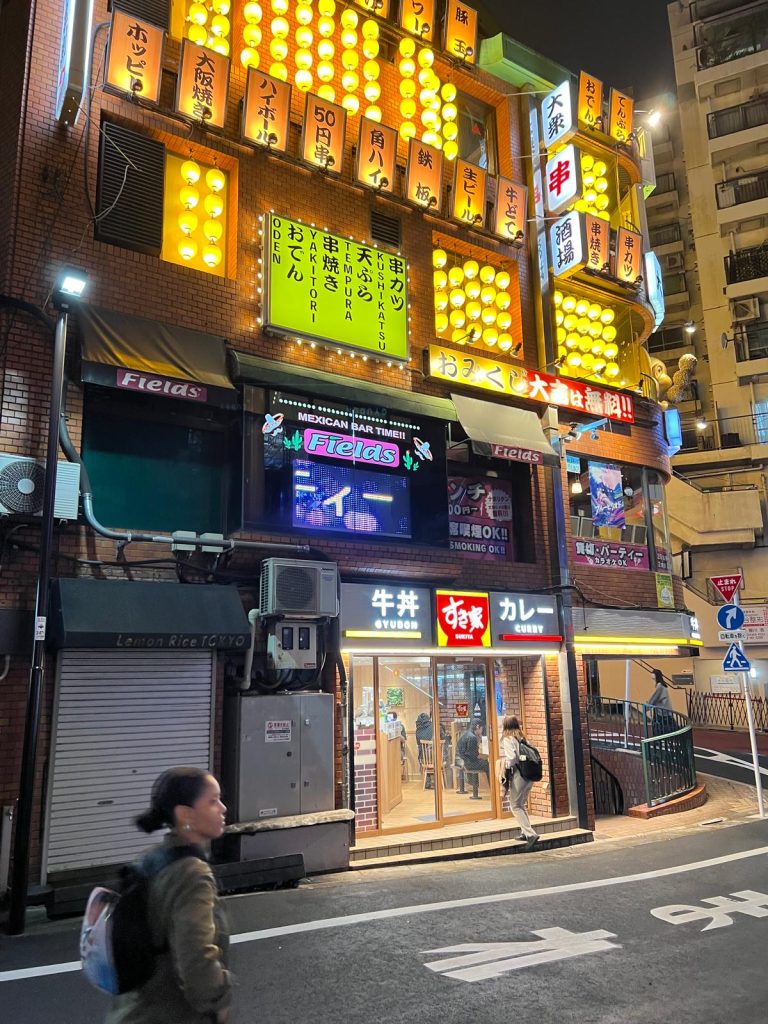
People don’t drop litter on the streets of Japan, it’s a strict, social and legal rule that carries an instant on-the-spot fine, particularly in busy areas like Shibuya. Although It’s hard to find a public bin when out and about the main streets are spotless clean.
If you’re on the go with children, the best way to get around this is to carry a small nylon bag with you for small personal litter, used tissues, snack wrappers etc. and you’ll have to dispose when you get back to your accommodation and there’s always recycling and trash stations near stores like 7-eleven, if all else fails!
2. Walk along the street eating
Cultural etiquette in Japan is taken seriously. While it’s not illegal, to walk and eat along the streets of Japan, it is viewed as messy and generally considered poor manners and locals will more than likely frown upon you and give you a stiff stare. It happened to me while munching into a foil wrapped sandwich!
3. Ask for more food in restaurants
Asking for more food in restaurants and cafes that serve unusually very small portions isn’t well received. On three separate occasions we were served a very small portion of rice, I’d say one or maybe two tablespoons, but when asked for more we were politely told we had been served enough and refused.
It’s clear from eating out that Japanese food portions are respectfully, designed to match actual nutritional and calorie needs and mindful eating rather than excess.
4. Wear shoes indoors
Like many other cultures, wearing outdoor shoes indoors is seen as dirty, and understandably, must be taken off when entering the indoors to help maintain clean spaces, but it also shows respect for the home and Japanese culture.
I particularly like this because everywhere indoors felt clean and fresh. Hotels provided us with indoor slippers and shoes had to be removed before entering our guest room and left outside the door on a woven floor mat called a tatami.
5. Be noisy when out and about
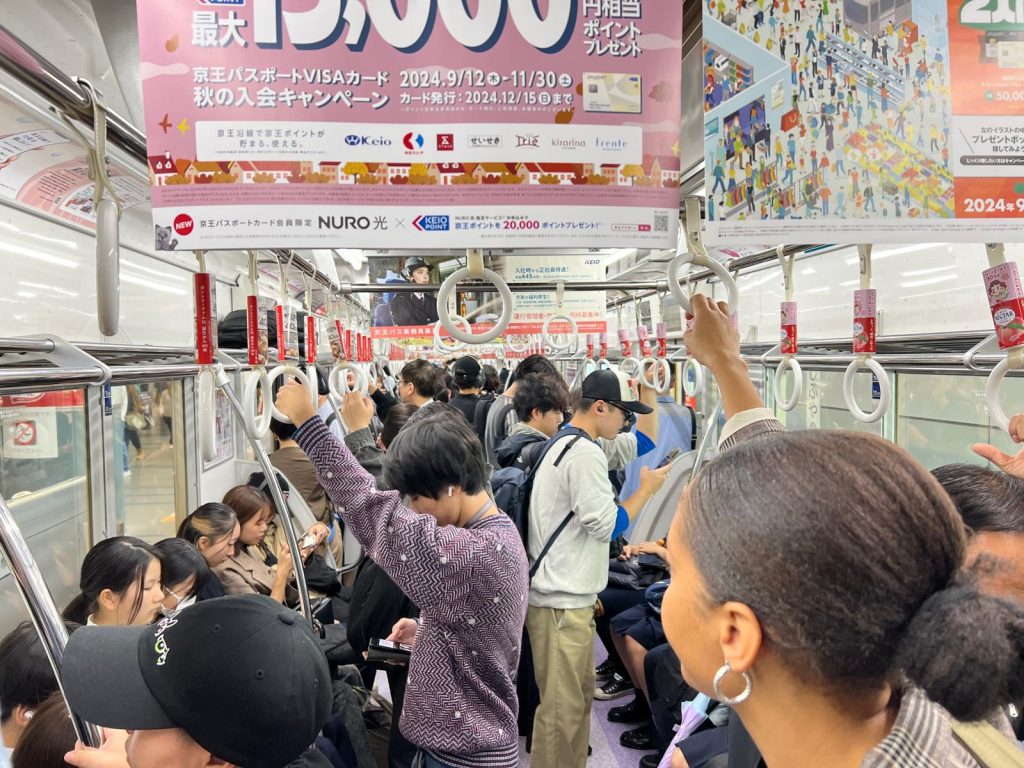
Just don’t be a nuisance on the streets. It’s evident that Japanese people highly value peace and harmony, and talking, laughing, playing music on speaker or having a conversation in a public place on speaker phone isn’t a good idea and is likely to be considered rude.
We used public transport a fair bit and they are treated as quiet zones where mostly everyone was engaged in their own business, and not talking much at all.
6. Scrunch bank notes
Keep Japanese currency (Yen) crisp and clean! Crumpling or scrunching banknotes is discouraged and frowned upon, plus your go-to gacha machine will reject them.
I once handed a cashier 1000 yen – (that’s about £4) it was scrunched up in my pocket and when I handed it over the cashier told me to smooth it out. I soon learned not to do that again!
7. Spend all your money in Gacha machines
The turn of the handle and the exciting reveal of the capsule will very much elevate anyone’s mood, as there are endless categories of items to buy in gacha machines, and it’s so temping to spend till your out of pocket. Set a strict daily cash limit. Smart vending machines could have you chasing after one prize and could easily see you spend thousands of yen trying to get that one rare item.
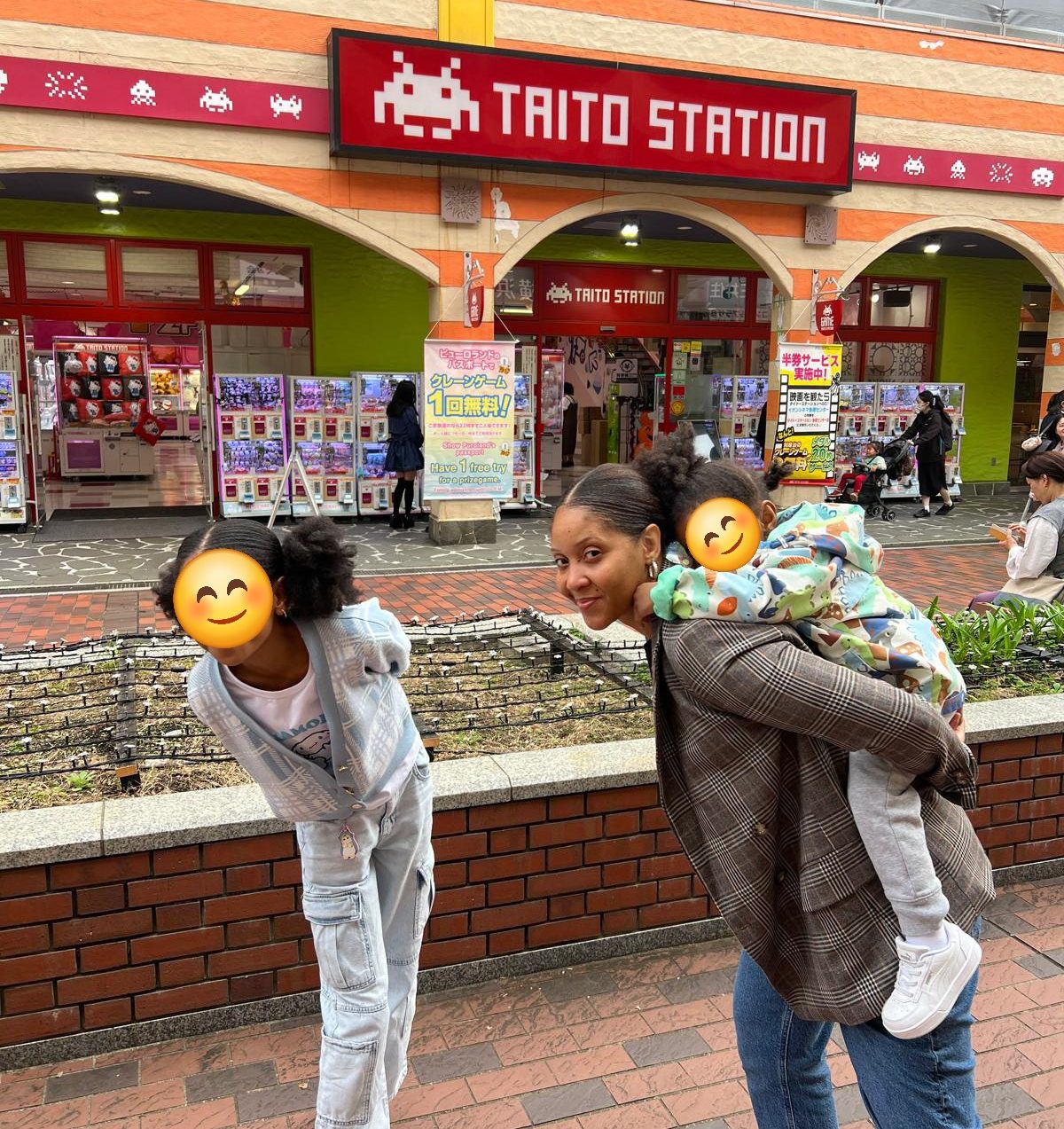
Although most of our prizes were good quality and useful practical items including a Sanrio tote bag, a torch, and items of stationary, all that I still use today, make sure to manage the amount of money you are spending, as I am sure there are many other amazing items waiting to be purchased.
8. Assume you know what the foods are
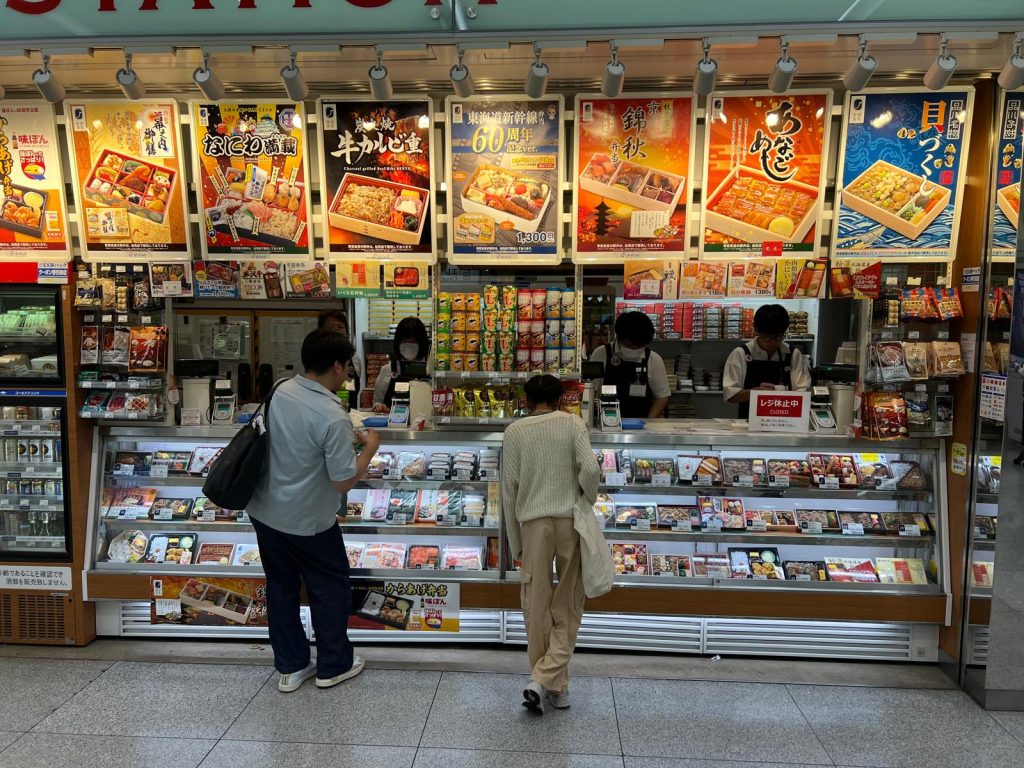
Japan is a top place for food lovers. Prepare to experiment with different flavours and textures. Although some foods may look familiar chances are they have an unexpected twist. I’d do some research on the different foods that Japanese families eat during their everyday meals to limit any surprises, this was me when I bit into Takoyaki, a wheat batter ball filled with pieces of Octopus – I squirmed at the texture of clustered suckers on my tongue.
9. Travel with a packed suitcase
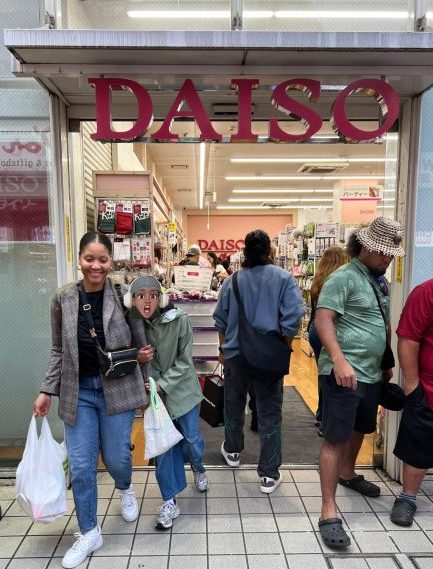
Just why would you! You’ll find something to pack your travel case with, whether it’s snacks, cosmetics, gadgets, toys, clothes or unique finds, the chances are you’ll be heading home with a lot more than you came with. Some of the best discount and variety stores include Don Quijote, Daiso, Loft and Oriental Bazaar.