
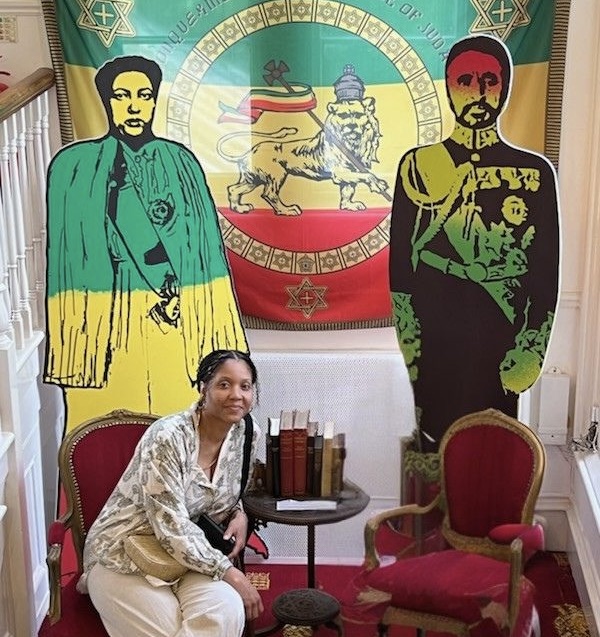
It was a weekend like no other. Feeling adventurous with nothing much planned, a short getaway to the historical city of Bath sounded perfect.
But what we didn’t know, was that the UNESCO world heritage city had a unique and sacred gem in the palm of its hand. One that is barely known beyond the ancient Roman-built baths, yet is widely celebrated and honoured by a unified section of the Ethiopian and Rastafarian community in Britain.
A guided tour of Fairfield House, the chosen home of Haile Selassie I, was led by historian Ras Benji and took us on a journey of what life was like for the famous Emperor of Ethiopia and his royal family. We learn what it was like for them, living in a foreign but welcoming area after exile from their homeland 90 years ago.
Here’s what the Roman city of Bath taught us about Haile Selassie I.
The city of Bath is no stranger to famous historical residents.
During the 19th the century, the acclaimed English novelist, Jane Austen, famously graced the city for five well documented and fruitful years.
With Austen’s writing heavily influenced by Bath’s natural beauty, she used the city as a significant backdrop for two of her novels- Northanger Abbey and Persuasion.
And while Britain’s youngest prime minister, William Pitt the Younger, reside in Bath between 1801 and 1804, so did the British politician William Wilberforce who was an instrumental figure in the Slavery Abolition Act 1833, reside at multiple locations across the city.
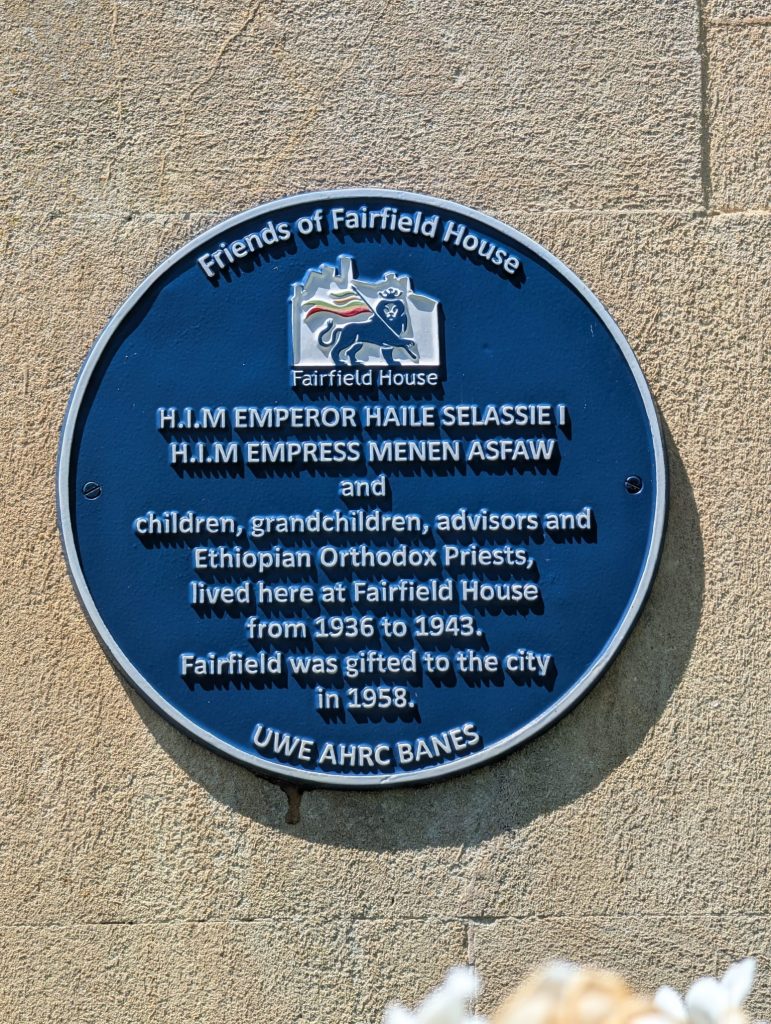
But many years later, Bath would extend an exceptional warm welcome to an extraordinary international cultural figure, the Ethiopian Emperor Haile Selassie I, after he sought refuge in Bath following the Italian invasion of his homeland in 1936.
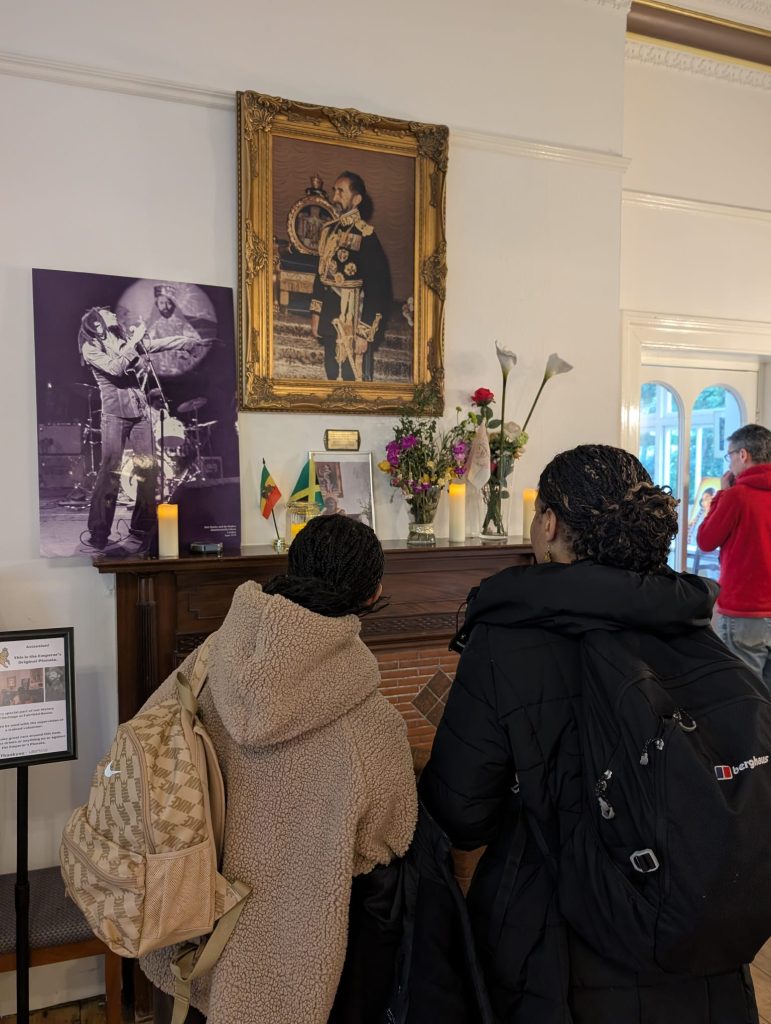
I was amazed at how well documented the Emperor’s story at Fairfield House was. A testament to the continued effort of community activists and members of the Ethiopian and Rastafarian community to preserve and promote a wonderful piece of early 20th century British history.
A guided tour of the Emperor’s former residence; a six-bedroom Victorian Italianate villa- explores the story of what day-to-day life was like for an Ethiopian Emperor and his royal family to live in a foreign, but warm and welcoming city in England, 90 years ago.
Although London was the Emperor’s first port of call for residency after his monumental arrival at the port of Southampton where he was met with jubilant cheers, British officials in London didn’t receive him with warmth over fears of upsetting the Italian dictator, Benito Mussolini who illegally occupied Ethiopia from 1936 to 1941.
To add insult to injury, when the Emperor addressed the League of Nations Assembly in Geneva June 1936, in a passionate anti-fascist speech against Mussolini, although the British government were sympathetic to his plight the Emperor’s words were seen as an embarrassment and officials considered his pleas for justice an obstacle to them warming ties with the Italian dictator.
Unbeknown to the Emperor, and to his country’s detriment, the Prime Minister Stanley Baldwin’s government were actively pursuing a policy of appeasement with Italy- in the hope of maintaining peace in Europe.
With this intense wave of political hostility, It soon became clear that the ‘great’ city of London was no place for an Ethiopian Emperor to settle and call home, and while he was discreetly ushered away from the city of London and ordered to ‘go out to the provinces’, a place of solace was found for him in the Roman city of Bath.
Bath provided a haven for the Emperor and his family, and promised the therapeutic environment much-needed for a war distressed king. The Emperor used the Roman baths to primarily heal burns and injuries obtained by Italian chemical weapons, while the spa’s healing waters offered him vital rest and mental clarity.
It’s hard to imagine the personal challenges that the Emperor faced during his five year stay in Bath. We know that he faced financial difficulty arriving in the UK, with little funds albeit having to support many members of the royal household.
But while I was particularly keen to find out more about the family’s personal hardship, and how the Emperor balanced life between the UK and international affairs back home where the family would receive frequent tragic news, I was also intrigued to find out about local attitudes towards ethnic diverse communities during this period.
Bearing in mind that in 1936 there was no anti-discrimination legislation in the UK, making public harassment and racism, of course, wrong but in the eyes of the law- perfectly legal. Legislative protections against racial discrimination only implemented with the passing of the Race Relations Act 1965.
Despite this racial assertion, we learn that the local people of Bath welcomed the Emperor and his royal family with warmth and compassion, and did many kind-hearted things to support the Ethiopian household and to make their time in the city as comfortable as possible.
During the blistering winter months, the local community donated coal to the royal household so their new home at Fairfield house would be kept warm and cosy. The friendly atmosphere created a happy place for the Emperor’s children, who mixed well with others their age from the local area as they played and ate together.
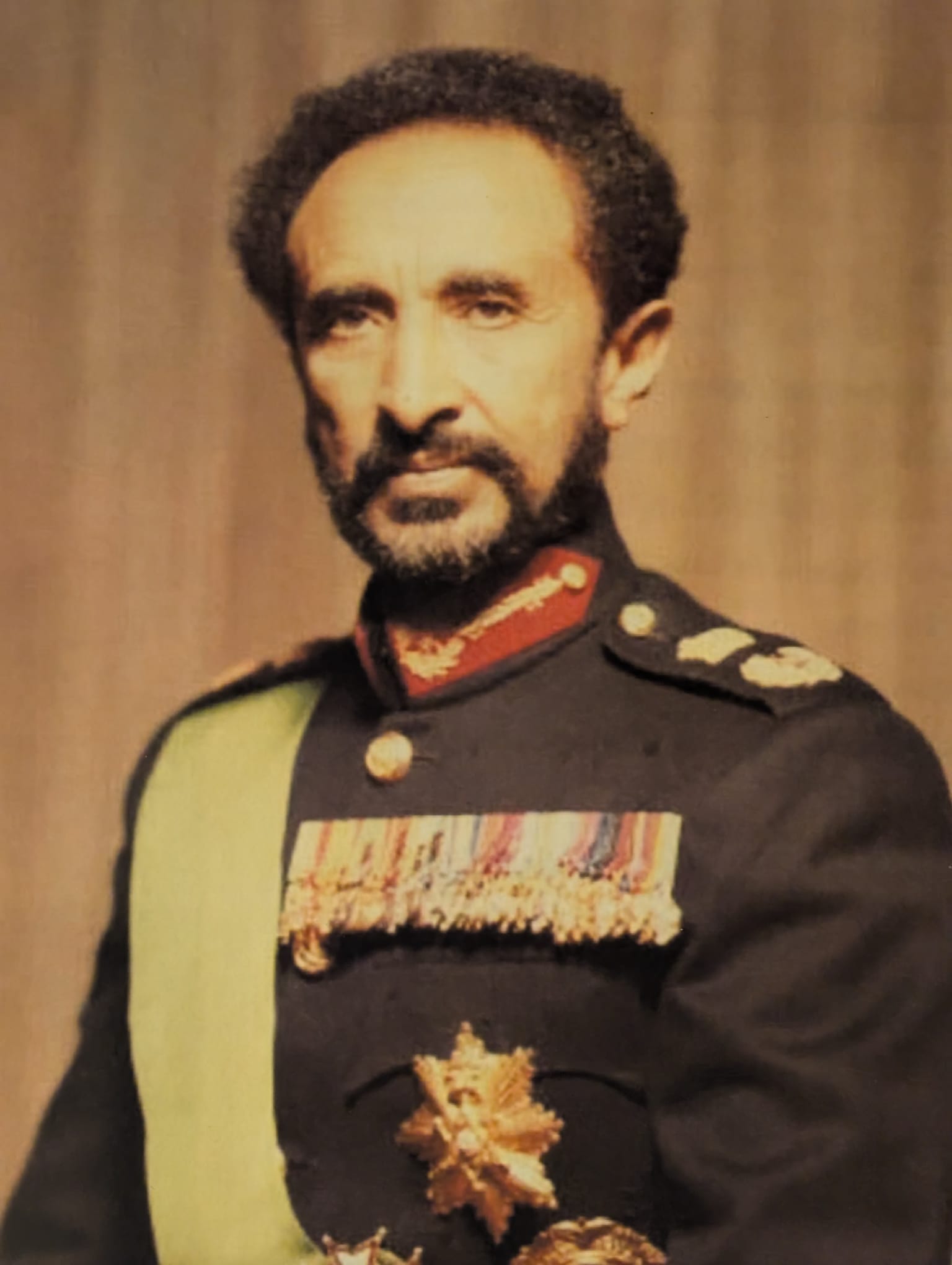
Draped in a magnificent black robe, adorned with medals of honour, the Emperor stuck out like a sore thumb when out and about on his daily walks to the River Avon with his pet Chihuahua named Lulu, but this didn’t stop local people from displaying elated affection with cheering crowds and traffic jams gathering to have a sneak peek at Haile Selassie I.
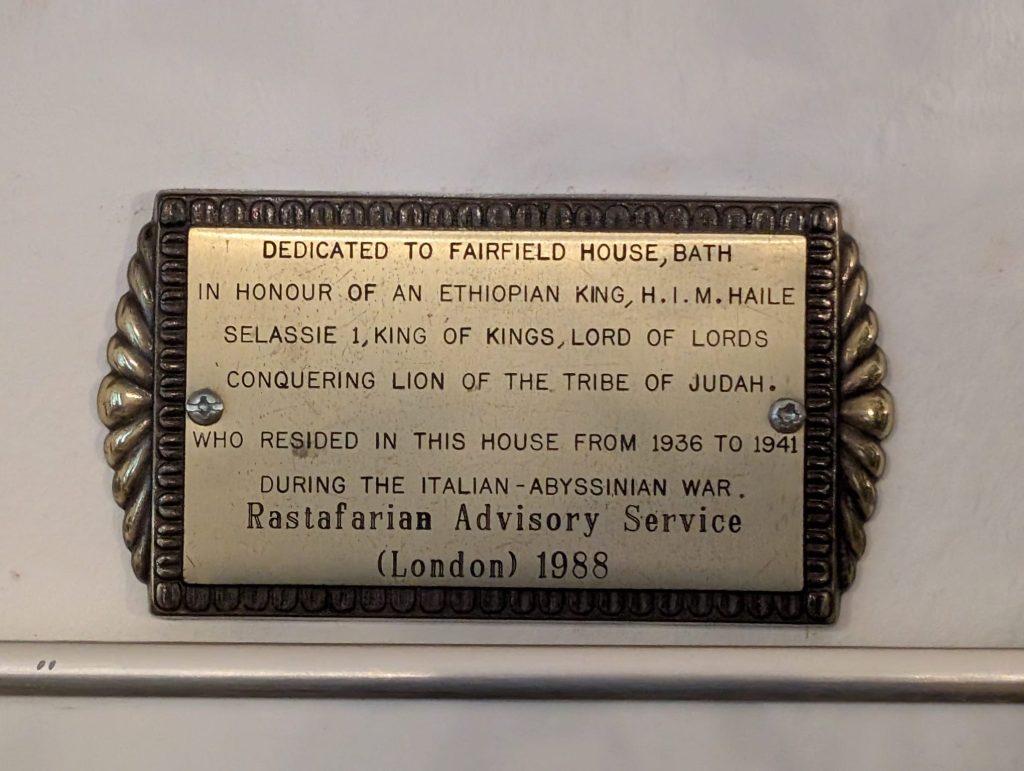
The King of Kings left Bath in 1941 to return to his beloved homeland- but certainly didn’t forget about the compassionate city that supported him through turbulence and turmoil. And, during a celebrated state visit in 1954, he stayed at Fairfield House and was once again cheerly greeted by the local people as they gathered at the gates of Fairfield to cheer him and it was during this visit, the Emperor was awarded the Freedom of the City in the Guildhall.
In 1958, His Imperial Majesty lovingly decided to gift Fairfield house to the city of Bath for use as a home for the aged and other benevolent purposes. Today the house is utilised by Bath’s ethnic minority citizens who run a day service for local elderly residents.

Haile Selassie I left the city of bath 90 years ago and his legacy is still alive and celebrated widely across the city. The Emperor was one of the most famous working leaders in the 20th century and his teaching still has a very positive influence today.
If you’d like to immerse in the story on this wonderful tour, visit a museum of rooms with historical, spiritual and cultural significance or walk in the footsteps of a famous Ethiopian Emperor, sign up for a guided tour at Fairfield House.
For more information visit:
https://www.fairfieldhousebath.co.uk
.