


Barbados is a wonderful family holiday destination, providing ample opportunity to create unforgettable family memories.
With absolutely no shortage of things to see and explore on this beautiful Caribbean island, there’s no room for boredom or wishing you’d opted for another holiday destination.
From the wonderful year-round warm and sunny weather, perfect for water sports and outdoor adventure, to world class dining options, to immersing yourself in the pulsating rhythms of outdoor street parties such as Ostins, Barbados will never disappoint.
But one of the greatest treasures of this island is founded in its wealth of well-preserved museums, historical sites and fascinating landmarks.
Yes, there’s far more depth to this tropical favourite than you could ever discover from a sun lounger, so get up and get out and make your trip even more meaningful. Delve into the island’s rich tapestry of African Caribbean history and culture and learn about the heritage and tradition of the country’s proud Barbadian people.
Here’s a breakdown of seven historical hot spots in Barbados to discover and explore as a family.
1. Harrison’s Cave
A must see in Barbados! It’s a truly phenomenal experience for the whole family. With an initial video projection explaining the formation of the caves and the relevant historical information, the main highlight of the tour will take you comfortably seated through some big and long tunnels on a fascinating and friendly excursion about 160 feet underground.
Temperatures may warm up during brief stops, so remember to bring a bottle of water for the little ones.
You will stop at two points where you can get out the cart and marvel at the beauty of the illuminated stalactites and stalagmites, they are breathtaking! So too are the dramatic waterfalls inside the cave adding an almost magical atmosphere. You will get dripped but don’t worry, all participants are required to wear a hard! There’s also an opportunity for you to hike the natural trail while the kids (older ones) enjoy the zipline. It truly is a wonderful day out for all ages.
2. Nicholas Abbey
Exploring history and culture in Barbados is often bittersweet because the islands historical ties to enslavement are so deeply woven into the fabric of Barbadian society. I’d say this site a must see particularly for the avid history buff as there are not many open-house historical plantations to visit in Barbados.
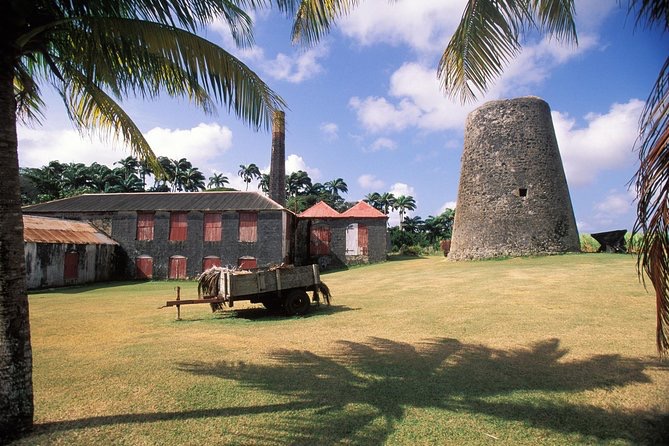
While the children had no idea of the horrors that historically took place on this plantation, (and so many others) I couldn’t help reverting to a pensive state at moments during the tour-Just imagining what it was like back then. The colonial echo I felt reverberated throughout the house and sent shivers down my spine on the two separate occasions I visited.
Nevertheless, what you learn, hear and see on this tour is crucial to your understanding of Barbados, African and British history. You’ll explore the great house and see what life was like in Barbados in the 17th century. There are original artefacts dating back to the Amerindian settlement through colonial times. I’d recommend a little background reading before you visit this location to get the best out of your experience but also to prep any questions you have for the house guides while on tour.
The fascinating news is that Nicholas Abbey is still a fully operational rum distillery where you can see how rum is made from the cane to bottle. And mostly fun for children are the two large talking parrots and the authentic steam railway. Sit back and enjoy the choo-choo train ride all the way to and from Cherry Tree Hill. And once you’re done with the tour, the Terrace Café has some tasty salt fish fritters and other finger foods for the whole family to enjoy.
3. Barbados Museum and Historical Society
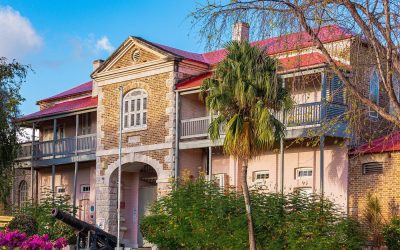
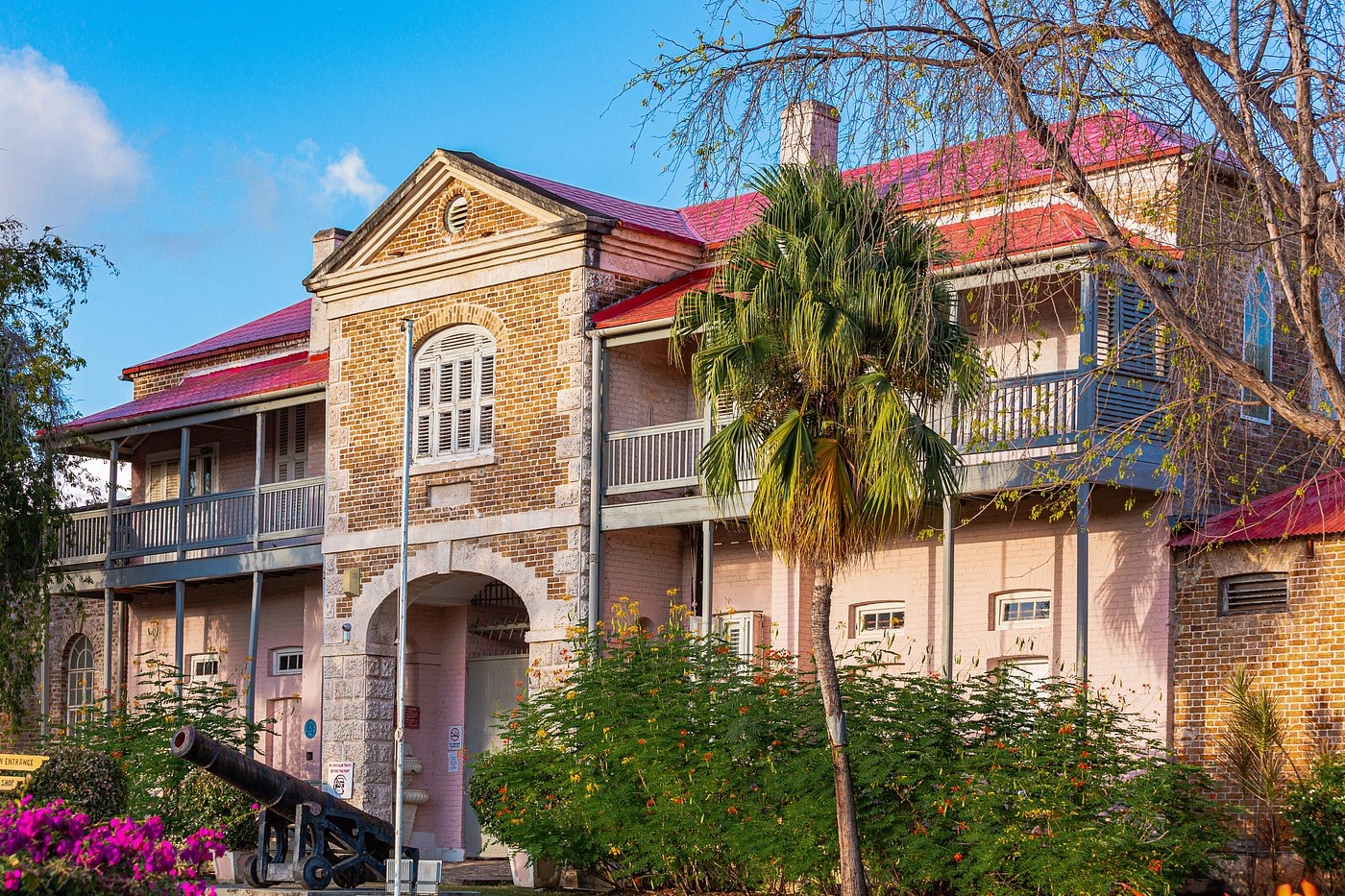
Get to learn more about Barbados’ past by visiting the immersive and wide-ranging museum in Bridgetown which opened its doors back in 1933. The museum is housed in a 19th century military prison with some of the cells still intact.
I’d say this is the place to go for a general historical overview of the islands colonial past. I’m not about to reveal all, but some of what you’ll see at this well-designed museum includes well documented literature and artefacts on natural history, indigenous pre-history, the arrival of the British and the highly profitable sugar cane plantations based on the forced labour of enslaved Africans which created huge wealth for landowners and, indirectly helped to fund England’s other colonial exploits.
Children will enjoy a dedicated hands on and interactive science exhibit for curious minds to learn and explore. The grounds are well maintained making lovely spots for outdoor play and viewing of the island’s natural beauty in its range of large trees and blooming flowers. Others feature include extensive galleries, a dedicated library and a well-stocked gift shop, selling traditional snacks, books, jewellery and other good quality gifts to take back home.
4. Barbados Exchange Museum
Learn about how Barbados managed its finance during the past to gain a better understand of the island’s present day financial purse.
Situated within the UNESCO World Heritage Site and historic Garrison district of Bridgetown, this interactive museum, which was a former boy’s college, provides a modern and extensive insight into everything from development to trade and business in the capital, to worldwide currencies, Freemasonry in Barbados and even the unusual history of the building itself.
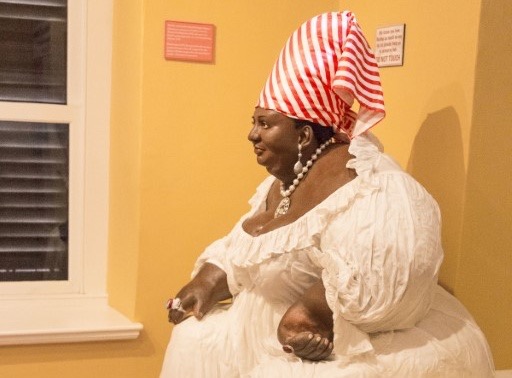
One of the museums interesting anecdotes tells the story of several free Black women during the 18th century who owned and managed hotels, Rachel Pringle Polgreen, was one of these women and the museum features a life size figure of her seated wearing a white dress and a head tie. Many of the features and exhibits are attractive for young creativity too.
5. George Washington House
The tour is slightly longer but it’s well worth the visit. Originally known as Bush Hill House, the building on the outskirts of Bridgetown-known today as George Washington House- was the temporary home in 1751 for the young man who later became Americas first president.
According to historical records, Washington visited Barbados in his late teens to spend time with his elder half-brother Lawrence. Amazingly, the present-day house retains much of its original exterior and interior. There is a short film screened in a small, air-conditioned theatre during the tour, which shows the historical background and details of his trip. Items on display including memorabilia and passages from Washington’s diary providing a good insight into his time on the island.
Don’t forget to let the children peek into the narrow underground tunnels-they are fascinating! You’ll be happy to know, you could pleasantly enjoy a nice lunch with the whole family at the café on the museum grounds.
6. Independence Square
Located in the vibrant capital of Bridgetown, there’s an abundance of history, specifically on the history of Barbados gaining independence from Britain. This is an open space area where a monument of the National Hero and father of Independence, Errol Barrow, stands proud on tall plinth. Feel free to roam about and absorb all there is to see and experience. From shopping for souvenirs on broad Street and Swan Street to strolling on the nearby beaches like Carlisle Bay and Pebbles beach. It can get very hot in Bridgetown, so make sure the children are well equip for the sun.
7. Bussa- Emancipation statue
A large statue located on the ABC Highway and Highway 5 roundabout in St. Michael, honouring Bussa- a national hero who was an African born into slavery and spearheaded a major rebellion on the island in 1816.

Today the statue pays homage to descendants of slavery and the breaking of slavery chains-it is a key symbol of Barbadian freedom and resistance. The monument is located centrally in a lovely well preserved flower garden in the middle of the road. There’s a path which leads right up to the statue for full viewing and photo opportunities.
There are plenty more historical hot spots in Barbados and each time I visit the island I discover somewhere new. But for now, I hope you find these historic recommendations helpful and please do let us know if you could add any more to the list.
Other places of interest include
Farley Hill National Park
Rock Hall