
Let’s continue to salute and stand by our sisters!
For way too long Black women in the public domain have been on the receiving end of verbal abuse. Abuse often perpetrated by the likes of an ignorant minority who know and understand little about Black people, Black history and culture and more specifically, Black women.
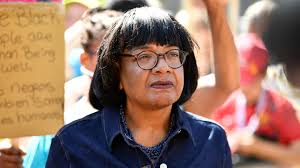
Earlier this week, a large crowd gathered at an anti-racism rally outside the Hackney Town Hall, East London, in solidarity of Britain’s first Black woman MP Diane Abbott, after she was vehemently verbally abused by the white British Tory donor Frank Hester.
Abbott was elected to the House of Commons in 1987, she is one of the most noteworthy female figures in Black British history having trailblazed the way for woman of colour in UK politics, through her advocating for social justice, and challenging racial and gender inequalities throughout her career.
Sadly, the 70-year-old MP is no stranger to receiving racial abuse. A survey conducted by Amnesty in 2017, found that of the thousands of abusive comments that included rape and death threats directed to female MPs on Twitter, over half were aimed at Diana Abbot. Absurd! Whether you are Black or not, anyone with any moral compass would regard this level of targeted racism alarming, threatening and totally unacceptable.
As Diane Abbott’s supporters chanted ‘We stand with Diane’ we were reminded of the pivotal role that Black woman across the globe have made and continue to make in shaping history, instigating change and building communities. But it was also a sad reminder of the past and present-day injustices, abuse and discrimination that many other Black women endure on a nearby day-to-day basis.
And while other studies have shown that Black women in the public domain face disproportionate levels of verbal abuse compared to their white counterparts, current legislation offers little protection against people who harass Black women online.
Let’s reflect on the vile remarks hurled at the Duchess of Sussex, Meghan Markle, last year by the- British television presenter, Jeromy Clarkson. I refuse to reprint on this page because of the disparaging content. But such examples reflect a pattern of white men of a particular statue who think it’s simply ok and feel comfortable to publicly reel discontent about Black women, knowing that their actions will unlikely be reprimanded.
But as we know, it’s not only Black women in the limelight who experience this type of abuse, the tirade spills into the everyday lives and experiences of the ordinary Black woman too.
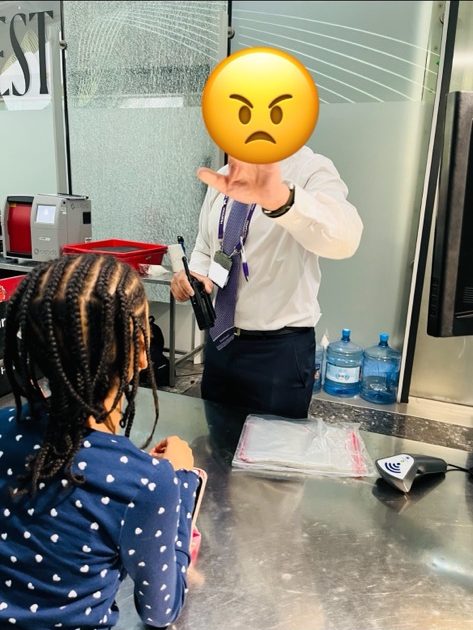
Do you remember the news story about the racist and aggressive elderly white man on a Ryanair flight who hailed abuse at a Black elderly woman? his foul actions didn’t even warrant a slap on the wrist in the eyes of Ryanair cabin crew staff! – simple google search would reveal all. And what about the more recent example of the Asian male shop worker, who thought it was ok to forcefully thrash his hands around a Black woman’s neck almost strangling her during a dispute in a shop selling Black hair and beauty products in South London. The countless examples of painful rhetoric targeted at Black woman magnify the elevating state of racism in Britain in recent years.
The past
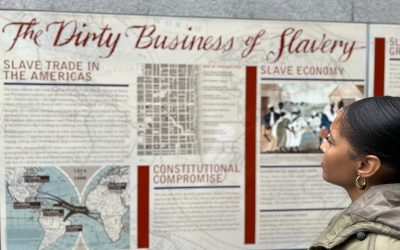
Stereotypical perceptions of Black women- with many stemming from the colonial era of enslavement- have by large contributed to the way in which the world relates to Black women today. While her narrative is often misunderstood and her voice is often dislodged.
The ‘mammy’ stereotype began when Black enslaved women were expected to be obedient and loyal despite experiencing an overwhelming amount of pain. The hyper sexualization of Black women and their bodies which began when enslaved women were raped. The ‘angry Black woman’ stereotype which nullifies the anger and pain experienced because of the injustices Black women face as a community. These are just a few.
Support
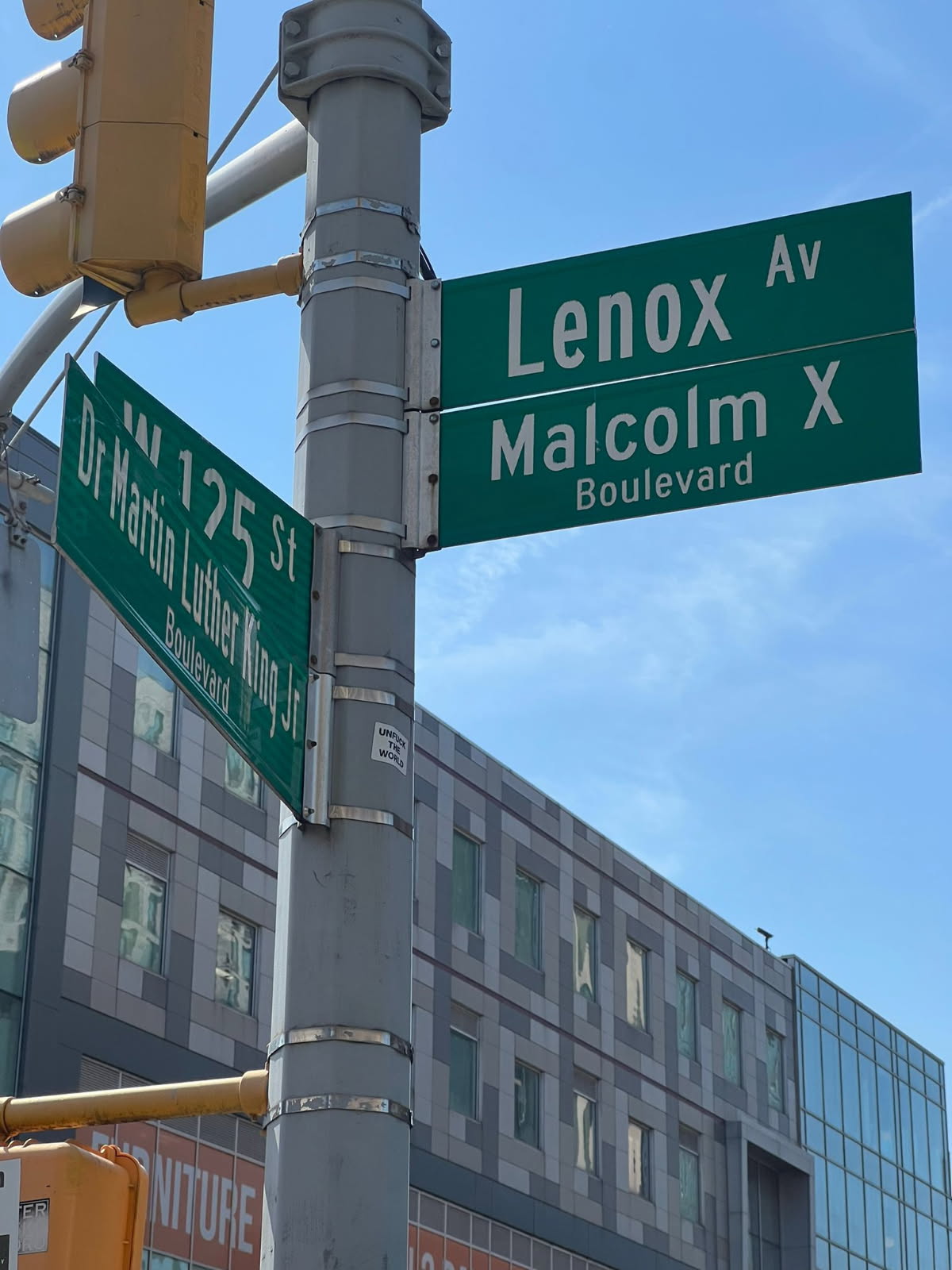
Black women are human beings, deserving of respect just like any other person. Malcolm X, the Black American civil rights leader once claimed that: “the most disrespected person in America is the Black woman. The most unprotected person in America is the Black woman. The most neglected person in America is the Black woman”. shamefully, recent public incidents have clearly demonstrated that this is also the case for Black women in the UK.
Black women deserve more than this. Black women are carrying the weight of validating their worth not only as a Black person but as women too. Let’s amplify the voices of Black women, recognise their invaluable contributions in influencing and impacting society, and commit to dismantling the barriers they face.
Let us stand with Diane.