


The unexpected and intense events of summer 2020 were like no other in my living memory.
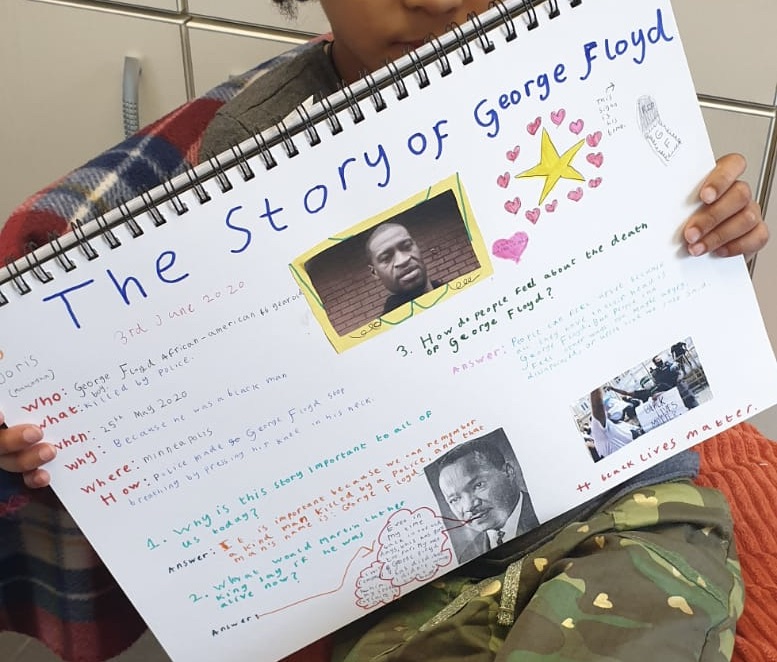
First there was Covid-19, the pandemic that swept the nation, then there was George Floyd, the African American killed by a white police officer in the US city of Minneapolis.
What followed was an explosion of anti-racist riots across the world and calls for mass structural change.
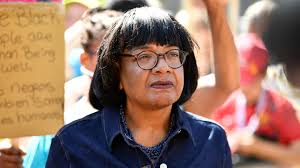
‘I can’t breathe’, ‘say his name’ were just some of the messages on placards hoisted by protesters, in a worldwide attempt to highlight and address the present-day and historical injustices against Black people of African descent.
As the harrowing media images emerged of George Floyd lying lifeless on the road, fighting for his last breath, beneath the knee of a white male police officer, so did the disproportionate high Covid-19 mortality rate among Black people emerge in the media, illustrating the current state of racism, white privilege and inequality.
There was something strangely compelling about the media representation of Black people during this period. It evoked pain and a sense of emotional burden for those living in Black skin. “Black people twice as likely to catch coronavirus…” read one news headline, while another stated that “Black people are four times more likely to die from Covid-19.”
The Mantra ‘Black Lives Matter’ felt so relevant then as it was at the height of the 1950s Notting Hill race riots against the African Caribbean community in Britain. Black Lives Matter was echoed in every corner of the world. People were angry, they wanted answers to questions pertaining to Britain’s colonial past and the legacy of racism and discrimination reflected in the social and economic disparities evidently still alive and kicking today.
Like many other European countries Britain was forced to talk about its involvement in the transatlantic slave trade- a contentious discussion often swept under the carpet. Such reckonings with racism roiled institutions, colonial statues were pulled from their plinths, the Karen meme allowed for a new kind of discourse about racism and white privilege, and in literature, Reni Eddo-Lodge became the first Black woman to top Britain’s non-fiction bestseller chart with her book Why I’m No Longer Talking to White people About Race.
What the summer of 2020 taught me is that present day discrepancies are rooted in history, and the present and the past must together be critically engaged with if structural and racial progress is to be made.